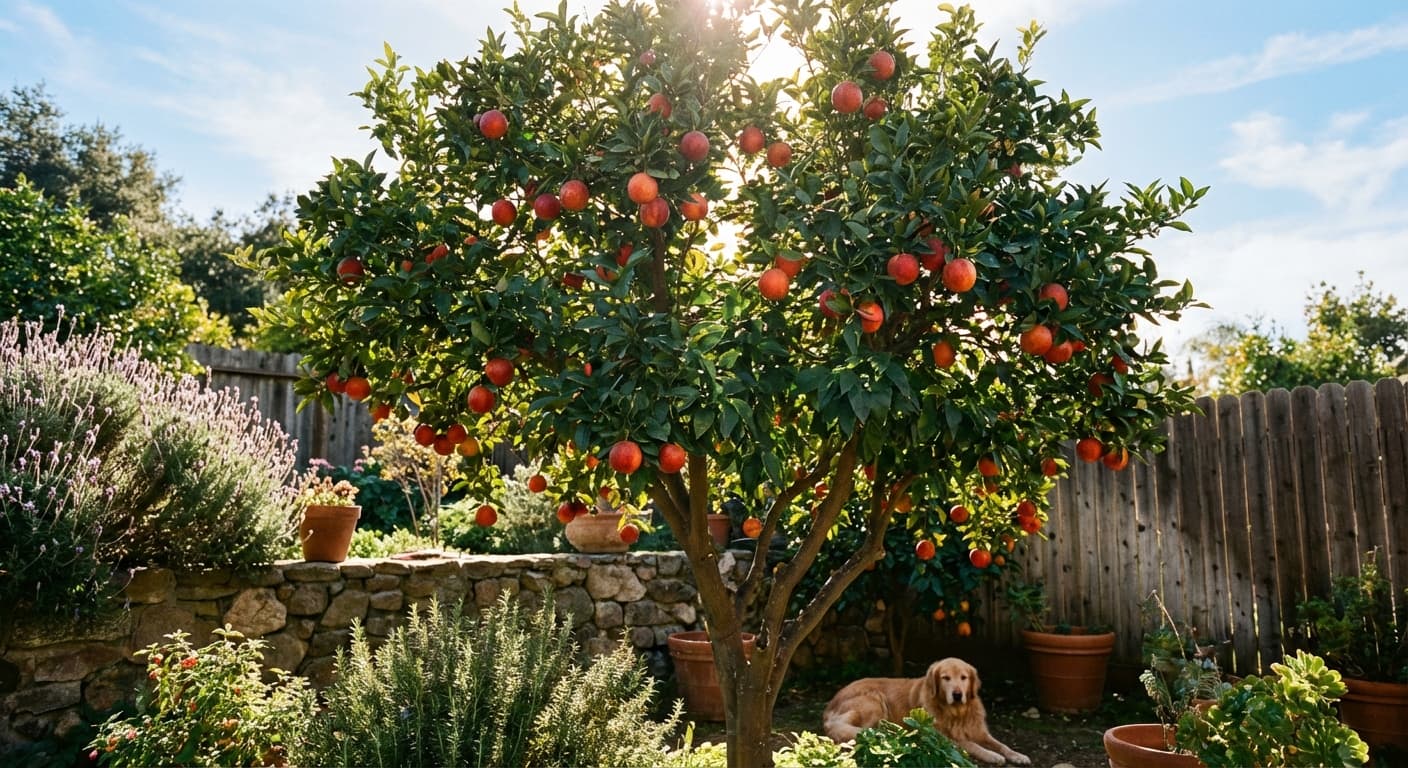
On an orange order, a 105-count case is a very particular request. As California’s Valencia season enters its final stretch, those size specifications have become a useful measure of how little room the market has left.
Prices are elevated as both domestic and imported availability tightens near the season’s mid-October close, according to Markon’s late-season update. A thin supply of fruit that fits an order can matter as much as the overall volume on offer.
The count on the order sheet
Chilean, South African and Peruvian oranges are in the import mix. Markon expects supplies of 105- to 113-count fruit to remain extremely tight, leaving buyers with fewer straightforward options when they need those sizes.
Quality is complicating the choice. Imported fruit is outperforming domestic supplies, and buyers may substitute it into orders when California fruit does not meet expectations. That is a commercial decision made lot by lot, not a blanket verdict on the domestic crop.
A late-season market with two jobs
California’s remaining Valencias are expected to move largely toward juice as demand for smaller fruit rises, while larger oranges face weaker demand, according to a September report on the Valencia market. The shift puts a premium on matching each lot to the outlet it can actually serve.
The quality concern is not new: an earlier Markon update described California Valencia supplies as weighted toward larger sizes and reported stronger quality in imported fruit. Its September 10 category report gives the current squeeze a longer lead-in, rather than making it look like a sudden turn.
For California handlers, competitiveness now depends on being precise about what a lot can deliver: size, quality and destination. A substitution may keep an order moving, but the fruit still has to meet the buyer’s specification when it arrives.